The Slow Frame
Fluid
Fluid
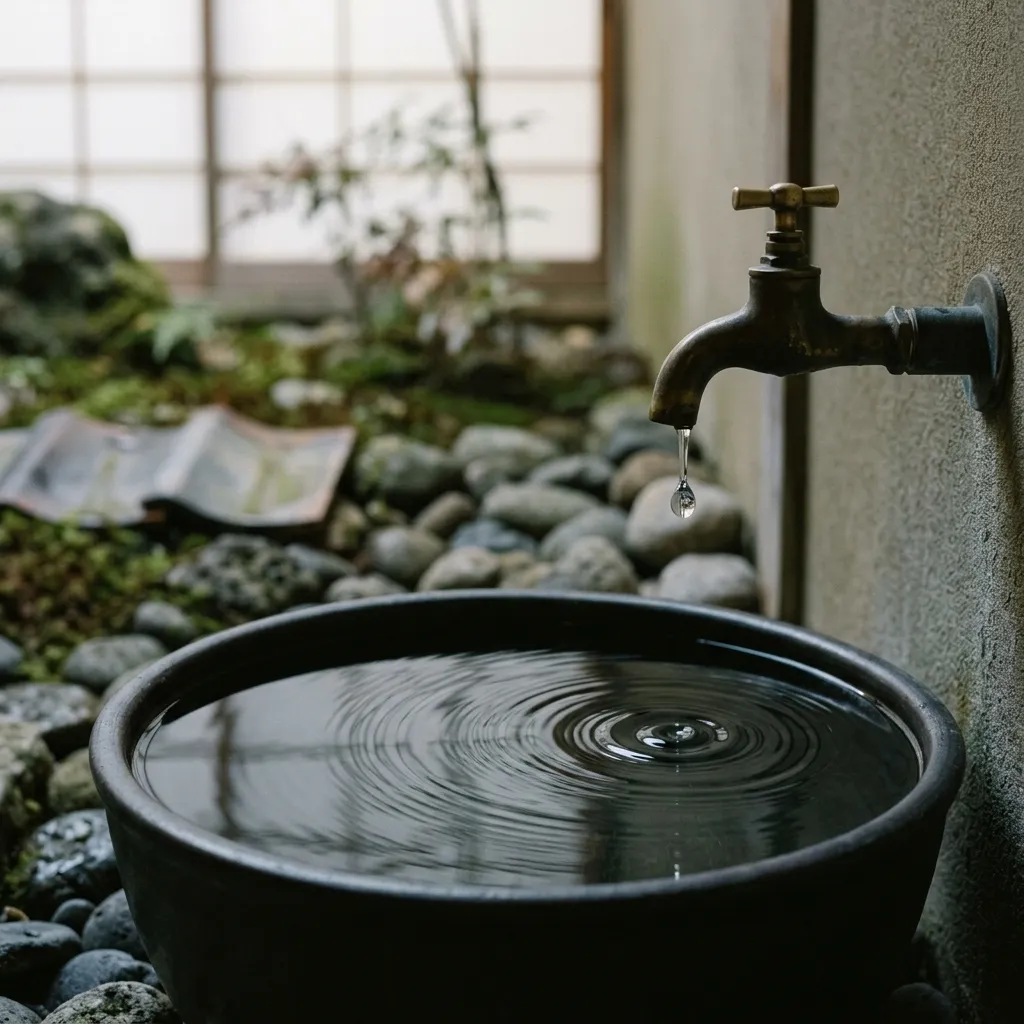
Imagine standing by the edge of a serene lake as the first light of dawn kisses the surface, transforming it into a canvas of shimmering blues. Each ripple is a gentle whisper, a fleeting dance of light and shadow that beckons you to pause and breathe. Now, picture capturing this ephemeral moment through the lens of your camera—a portal to the world of ‘Fluid’, this week’s theme in The Slow Frame journey.
In the gentle embrace of water, there is a lesson in continuity and transformation. Water flows, reshaping itself with grace, adapting to the contours of its surroundings. It teaches us about resilience and the beauty of impermanence, offering a mirror to our own lives. Through the ‘blue splash’ filter, we invite you to explore these lessons. This week, your camera becomes a tool for meditation, a way to engage with the world that transcends the ordinary.
The constraints of your camera settings—a fixed zoom and a filter that highlights the hues of water—are not limitations; they are a call to mindfulness. They direct your gaze towards the subtleties often overlooked in the rush of everyday life. By focusing on the fluidity of water, you are encouraged to become aware of the smallest droplets and their transient existence, capturing moments that remind us of nature’s quiet power and beauty.
As you embark on this photographic expedition, allow yourself to be drawn into the flow of the moment. Let the camera become an extension of your curiosity, guiding you to find balance and tranquility in the art of delayed gratification. This is your opportunity to celebrate the art of seeing, to connect deeply with the essence of fluidity, and to find peace in the gentle ebb and flow of life.
The Neuroscience of Fluidity
As you immerse yourself in capturing the gentle undulations of water through your camera, you are not only engaging in an exercise of visual artistry but also diving deep into the psychology of mindfulness and attention. This act of deliberate focus on the fluidity of water mirrors the intricate dance of attention and flow states, as explored in contemporary research.
The experience of ‘fluidity’ in photography, akin to the flow experienced during music listening, enhances our ability to focus and engage with the present moment. Diaz (2013) reveals that mindfulness can amplify our attention, allowing us to become deeply absorbed in the sensory details of our environment—whether it’s the subtle hues of blue in a rippling stream or the rhythmic splash of droplets captured in burst mode. This heightened attention creates a unique aesthetic and flow response, fostering a profound connection with our surroundings.
When you align your gaze with the flowing water, you engage what Hadash et al. (2026) describe as the Mindfulness Internal Attention (MIA) framework. This framework suggests that mindfulness training primarily enhances internal attention processes, which involve focusing on internally generated experiences. By setting your camera to a fixed zoom and using the blue splash filter, you cultivate this internal focus, allowing your mind to tune into the nuances of motion and reflection, and thus, deepen your cognitive engagement.
Moreover, this meditative focus on fluidity impacts your physiological state. Research by Burg and Wolf (2012) highlights the connection between mindfulness and heart rate variability (HRV), a marker of emotional regulation and psychological well-being. As you mindfully capture the fluid dynamics of water, your attention regulation aligns with increased HRV, promoting a state of calm and reducing stress. This physiological response grounds you in the moment, allowing you to experience the therapeutic benefits of photography as a mindful practice.
Consider the simple act of observing a raindrop’s descent—a moment of pure fluidity. As you capture this delicate dance, your mind becomes synchronized with the rhythm of nature, embodying the flow state described by Diaz (2013). This synchronicity transforms photography into a conduit for mindfulness, where each click of the shutter becomes an opportunity to embrace the present, to connect with the transient beauty of the world, and to foster a deeper understanding of oneself.
By reflecting on the fluidity of water, you engage in a practice that harmonizes your internal and external attention, creating a serene mental space where creativity and mindfulness intertwine. This journey through ‘Fluid’ not only enriches your visual experience but also nurtures your psychological well-being, encouraging a holistic appreciation of the art of seeing and the science of mindfulness.
The Practice of Flow
As you embark on this week’s assignment, “Everything flows,” consider the fluidity of water not just as a subject for your lens but as a metaphor for life itself. Engage with the world through the deliberate act of photography, allowing the constraints of your camera to guide your journey towards mindfulness and presence.
The 24-hour wait for your photo to ‘develop’ is more than an analog nod; it is an invitation to pause, to embrace the anticipation, and to cultivate patience. This delay mirrors the mindful practice of savoring each moment, of allowing experiences to unfold without the rush to immediate gratification. In this waiting, you find space for reflection, for understanding the impermanence and beauty of what you’ve captured.
To deepen this practice, consider documenting your insights in a tactile, analog manner. The Premium Linen Mindful Journaling Notebook offers a beautiful space to pen down your reflections. Its textured pages provide a sensory experience that aligns with the mindful process of photography. As you write, you translate your visual and emotional observations into words, enriching your understanding of both the external world and your internal landscape.
The Philosophy of Connection
The philosophy underpinning ‘Everything flows’ is rooted in a deep connection with nature and self. By focusing your lens on water, you engage with a symbol of life’s continuity and transformation. It reminds us that just as water adapts and flows, so too must we navigate the currents of our own lives with grace and mindfulness.
As you compose your weekly photograph, let the fluidity of water awaken your senses to the subtle changes and movements around you. This practice isn’t just about creating a visual record; it’s about fostering an intimate dialogue with the world, one that encourages a slower, more thoughtful existence.
Conclusion
The Slow Frame app is not merely a tool for photography; it is a journey into the heart of mindfulness. Each week, as you explore new themes and constraints, you are invited to slow down, to see more clearly, and to live more fully. Let this week’s exploration of fluidity guide you towards a deeper appreciation of life’s ebb and flow.
Download The Slow Frame app and begin your own journey of discovery, where each image becomes a meditation and each moment a lesson in the art of seeing.