 The Slow Frame
Shadow Object
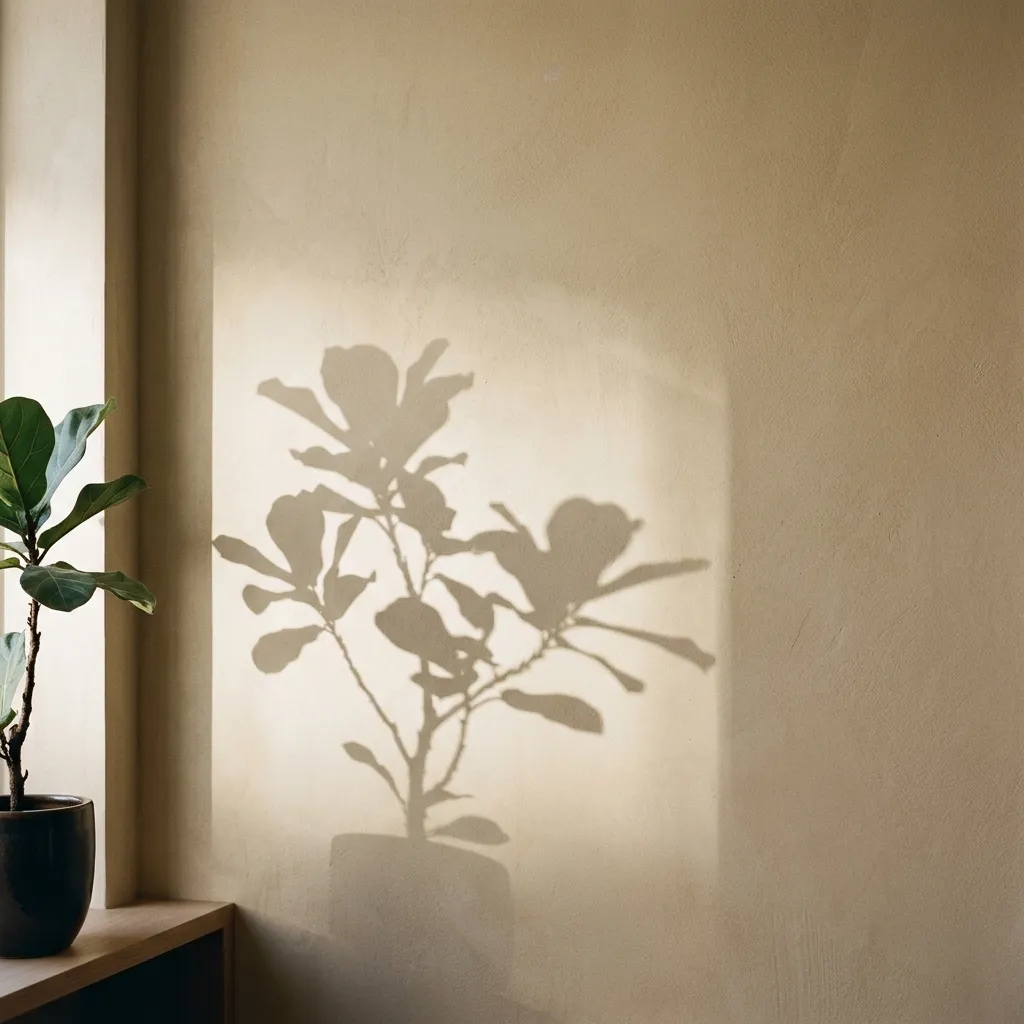
Shadow Object
In the inky embrace of twilight, shadows stretch and yawn, unraveling their mysteries upon the earth. As sunlight surrenders to the horizon, a dusky ballet begins, where light and darkness intertwine in an intimate pas de deux. This week, we invite you to step into this twilight theater, to become not just an observer, but a participant in the quiet performance of shadows.
Imagine the soft crunch of gravel beneath your feet as you walk through a dimly lit garden. Leaves rustle gently in the breeze, casting intricate patterns upon the ground. Here, a shadow is not merely the absence of light—it is a living, breathing entity, rich with stories untold. Your task is to capture these ephemeral moments, where shadows become both subject and storyteller.
In this exploration of the ‘Shadow Object’, your camera becomes a tool of contemplation. With its monochrome filter, you strip away the distractions of color, allowing the subtle gradients of black and white to speak with a quiet eloquence. The high zoom lens draws you into intimate proximity with your shadowy subjects, revealing details that whisper of hidden worlds. The square aspect ratio challenges your perspective, inviting you to compose with a fresh, thoughtful eye.
As you expose for the highlights, tapping on the brightest part of your screen, you coax the shadows to emerge from their hiding places, to reveal their secrets. Here, in this deliberate practice, time slows, your senses sharpen, and the world takes on a new depth of meaning. Through this mindful engagement with shadows, we hope you find not only beautiful images but also a deeper sense of peace and presence.
The Neuroscience of Shadow Perception
As you engage with shadows through the lens of your camera, you are not merely capturing images; you are participating in a profound cognitive exercise. At the heart of this exercise lies the intricate dance of attention and awareness, two core components of mindfulness that have been shown to transform our perceptual experiences in meaningful ways.
Recent research by Bokk and Forster (2022) highlights that even a brief mindfulness meditation can preserve attention resources in individuals unfamiliar with meditation. Through measuring the P300 event-related potential, a neural indicator of attention, it was observed that mindfulness meditation prevents the habituation of attention, allowing practitioners to maintain a heightened state of sensory awareness. This ability to sustain attention is crucial as you focus on the nuanced interplay of light and shadow, enabling you to discern subtle variations in luminance and form that might otherwise fade into the background.
In parallel, the work of Fucci (2026) enriches our understanding by suggesting that mindfulness meditation modulates perceptual learning and sensory vigilance. This modulation influences how we perceive and process visual stimuli, such as shadows. In practical terms, as you gaze through your camera’s viewfinder, mindfulness enhances your ability to perceive shadows not as static, empty spaces, but as dynamic, textured entities that narrate their own stories through the shifting dance of light.
Moreover, the exploration of attention and awareness during mindfulness meditation, as characterized by Hadash et al. (2021), underscores the importance of these cognitive processes in cultivating mindfulness. Their findings suggest that attention and awareness, nurtured through mindfulness practice, are fundamental to the practice’s beneficial outcomes. When applied to photography, this enhanced state of mindful awareness allows you to approach the world of shadows with a fresh perspective, appreciating the intricate details and delicate contrasts that define these ephemeral subjects.
Consider the experience of photographing the shadow of a tree cast against a sunlit wall. With a heightened state of mindful attention, you notice the intricate patterns of leaves and branches, each silhouette telling a story of its own. The subtle gradations of light and dark become more apparent, allowing you to capture an image that conveys not just a visual scene, but an emotional resonance.
In this week’s journey with ‘Shadow Object’, the practice of mindful photography becomes a pathway to deeper sensory engagement. By harnessing the cognitive benefits of mindfulness—preserved attention, enhanced sensory vigilance, and a deeper connection to the present moment—you transform the simple act of capturing shadows into a rich, contemplative practice. Through this mindful lens, shadows are no longer mere absences of light; they are vibrant, complex subjects that invite you to explore the world anew.
The Practice of Mindful Photography
As you embark on this week’s exploration with ‘The shadow is the subject,’ consider how the principles of mindfulness can guide your photographic practice. The very act of framing shadows with intention and mindfulness transforms photography from a mere technical exercise into a meditative practice that enriches both perception and experience.
Begin by setting up your camera with the constraints provided: [MONO] for monochrome simplicity, [HIGH] for zoom, and [SQUARE] for aspect ratio. These limitations are not restrictive boundaries but rather invitations to focus more deeply on your subject matter. By exposing for the highlights, you allow the shadows to tell their stories, revealing a depth of detail and contrast that might otherwise go unnoticed.
To enhance this mindful practice, consider using a tool like the UBeesize Universal Smartphone Tripod. This flexible tripod provides the stability needed for slow framing and long exposures, allowing you to align your shots symmetrically and capture the nuanced dance of shadows with precision. The wireless remote enables you to remain present in the scene, maintaining your mindful focus without the distraction of physically handling your camera.
The philosophy behind waiting 24 hours to ‘develop’ your photo is rooted in delayed gratification, a cornerstone of mindfulness. This pause invites reflection, allowing the initial rush of capturing an image to settle, and making room for deeper insights and appreciation. As you revisit your photograph after a day, you may find new meanings and emotions emerging from the interplay of shadows and light that you captured.
Conclusion: Embrace the Shadow
In this week’s assignment, shadows become not just subjects, but mirrors reflecting our mindfulness journey. They challenge us to look beyond the obvious, to engage with the world in a manner that is both curious and contemplative. By integrating neuroscience insights into your practice, you cultivate an enriched visual and cognitive experience.
We invite you to continue this journey with ‘The Slow Frame’ app. Let each weekly assignment be a gentle reminder to pause, observe, and immerse yourself in the beauty of the present moment. As you capture and reflect, remember that photography, much like mindfulness, is not about the destination but the journey itself.
References
Related Articles
Breathing Room
Explore the beauty of simplicity in photography with 'Breathing Room' – a journey to embrace the essence of 'nothing' and find stillness.
Silhouette: A Dance of Shadows and Light
Explore the beauty of silhouettes and learn to appreciate the art of seeing in our latest photographic journey.