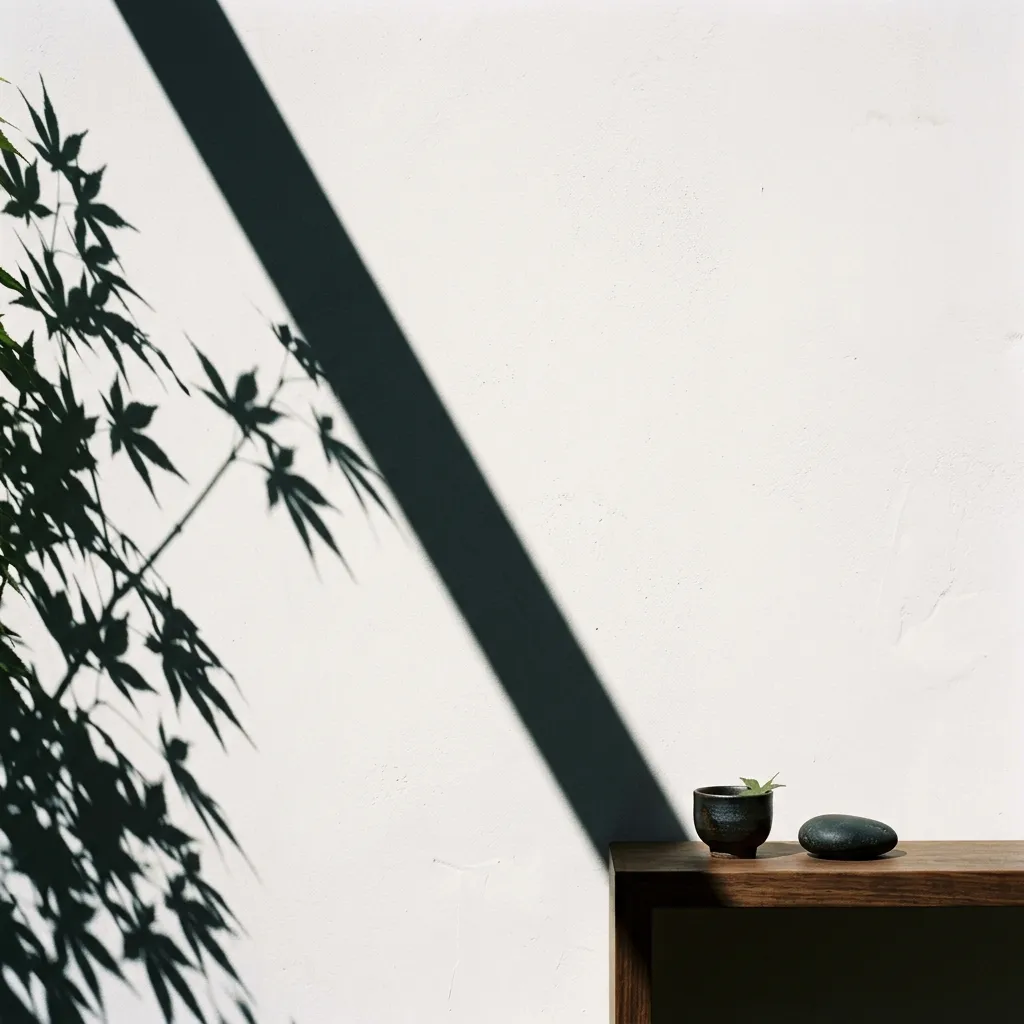
The Slow Frame
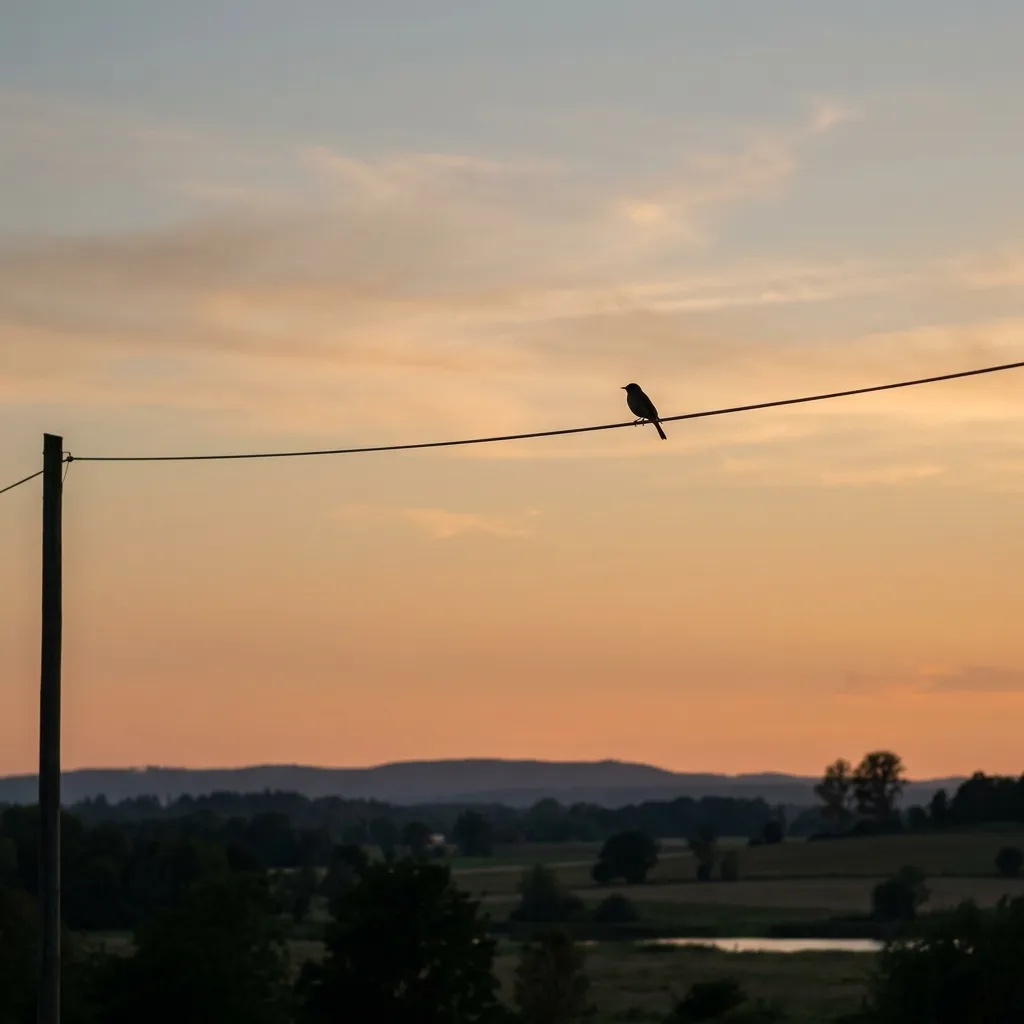
Silhouette: A Dance of Shadows and Light
Silhouette: A Dance of Shadows and Light
The world is a canvas of infinite stories, each cast in the gentle play of light and shadow. Imagine standing on a hill as the sun dips below the horizon, painting a breathtaking chiaroscuro. You see the stark outline of a lone tree, its branches stretching like delicate fingers into the fading light, devoid of color yet rich with narrative. This is the silhouette—a whisper of form amid a sea of brightness, where the absence of detail speaks louder than the most vivid of hues.
In this week’s journey with The Slow Frame, we invite you to explore the profound simplicity of silhouettes. This isn’t merely a photographic exercise; it’s a meditation on perception and presence. With your camera set to capture the world in monochrome and a darker exposure, you are encouraged to delve into the essence of form and contrast. The constraints are deliberate, a thoughtful nudge to slow your gaze and deepen your appreciation for the stark beauty that emerges when light is stripped to its barest essentials.
Such a practice is akin to stepping into a quiet room after a cacophony, where every sound becomes more pronounced, every silence more profound. As you frame your subject against the brilliance of the sky, let your eye wander over the contours and outlines, the spaces between what is seen and what is suggested. In doing so, you engage not only with the image but also with the art of seeing itself—an art that unveils the extraordinary within the ordinary, that finds the sublime in simplicity. Embrace this week’s theme with the knowledge that every shadow tells a story, waiting patiently to be discovered.
The Neuroscience of Silhouette Perception
As you embark on this week’s photographic exploration of silhouettes, you engage in a profound cognitive and perceptual exercise that intertwines mindfulness and visual attention. The allure of the silhouette lies in its ability to strip away extraneous detail, compelling us to engage with the world in its most elemental form. This is not merely an artistic endeavor but a psychological journey into how our minds process and adapt to visual stimuli.
Research into mindfulness interventions offers intriguing insights into the ways attention can be modulated. Mindfulness practices, which emphasize focused awareness and presence, have been shown to reduce attentional biases, particularly towards high energy-dense food cues that often lead to overeating (Duffy & Attuquayefio, 2025). This reduction in bias is achieved by enhancing self-regulatory mechanisms and controlled processes, allowing individuals to override automatic, reward-driven responses. Similarly, when you focus on capturing a silhouette, you train your visual system to prioritize form and contrast over detail and color, fostering a deeper engagement with the subject and enhancing your capacity for visual discernment.
Moreover, the modulation of time perception by visual adaptation further highlights the interconnectedness of sensory and cognitive processes (Johnston, 2010). As you adapt to the constraints of monochrome and dark exposure settings, your perception of time may shift. This temporal adaptation allows you to immerse yourself more fully in the moment, experiencing the dance of light and shadow with heightened awareness, much like how mindfulness training can alter one’s perception of time and enhance present-moment focus.
The experience of capturing silhouettes can also be paralleled with the dynamics of learning through visual attention. Studies have shown that the presence of an instructor in educational videos can influence visual attention and learning outcomes (Wang et al., 2025). The instructor’s presence provides socio-emotional cues and nonverbal modalities that aid in engagement and recall, akin to how the stark contrast of a silhouette draws the eye and invites contemplation. The simplicity of form against the light serves as an instructor of sorts, guiding your visual attention to the essence of the scene and prompting a deeper cognitive processing of what is observed.
In essence, photographing silhouettes becomes a practice of mindfulness—a deliberate slowing down to engage with the visual world in a more intentional, thoughtful manner. It invites us to see beyond the surface, to explore the interplay of light and darkness, and to find beauty in simplicity. Through this process, we cultivate a richer understanding of not only the visual world but also the intricate workings of our own perception and attention, transforming a simple photographic assignment into a profound exercise in mindful observation.
The Practice and Philosophy of Capturing Light
As you delve into the art of silhouette photography, consider the philosophical dimensions that underpin this practice. By capturing the world ‘against the light’, you are not just creating an image; you are cultivating a mindset of patience and presence. This week’s assignment encourages you to embrace the constraints of monochrome and dark exposure, challenging you to find harmony in simplicity and narrative in form.
The act of waiting 24 hours for your photograph to ‘develop’ is a deliberate exercise in delayed gratification. It mirrors the principles observed in mindfulness research, where attentional biases are gradually reduced through consistent practice (Duffy & Attuquayefio, 2025). This waiting period becomes a meditation of sorts, allowing your mind to process and anticipate the image you have captured, fostering a deeper connection with your creative process.
To aid in this journey, a tool like the UBeesize Universal Smartphone Tripod can be invaluable. Its stability and flexibility allow you to experiment with long exposures and precise framing. As you align your shot and let the light play across your subject, the tripod becomes an extension of your intent, supporting your practice of slow framing and thoughtful composition.
The philosophy of capturing silhouettes is deeply intertwined with the psychology of seeing. By focusing on the contours and contrasts, you engage in a form of visual mindfulness that parallels the sensory adaptations explored in time perception studies (Johnston, 2010). This practice not only enhances your photographic skills but also enriches your ability to perceive and appreciate the subtleties of the world around you.
In conclusion, the journey of silhouette photography through The Slow Frame app is more than a creative endeavor; it is a path to mindfulness and presence. By taking one photo a week and allowing time to reflect, you cultivate a deeper understanding of both your art and yourself. Embrace this opportunity to slow down, observe, and discover the beauty that lies in the interplay of light and shadow. Download The Slow Frame app today and embark on a transformative photographic journey that fosters tranquility and insight.