 The Slow Frame
Golden Hour
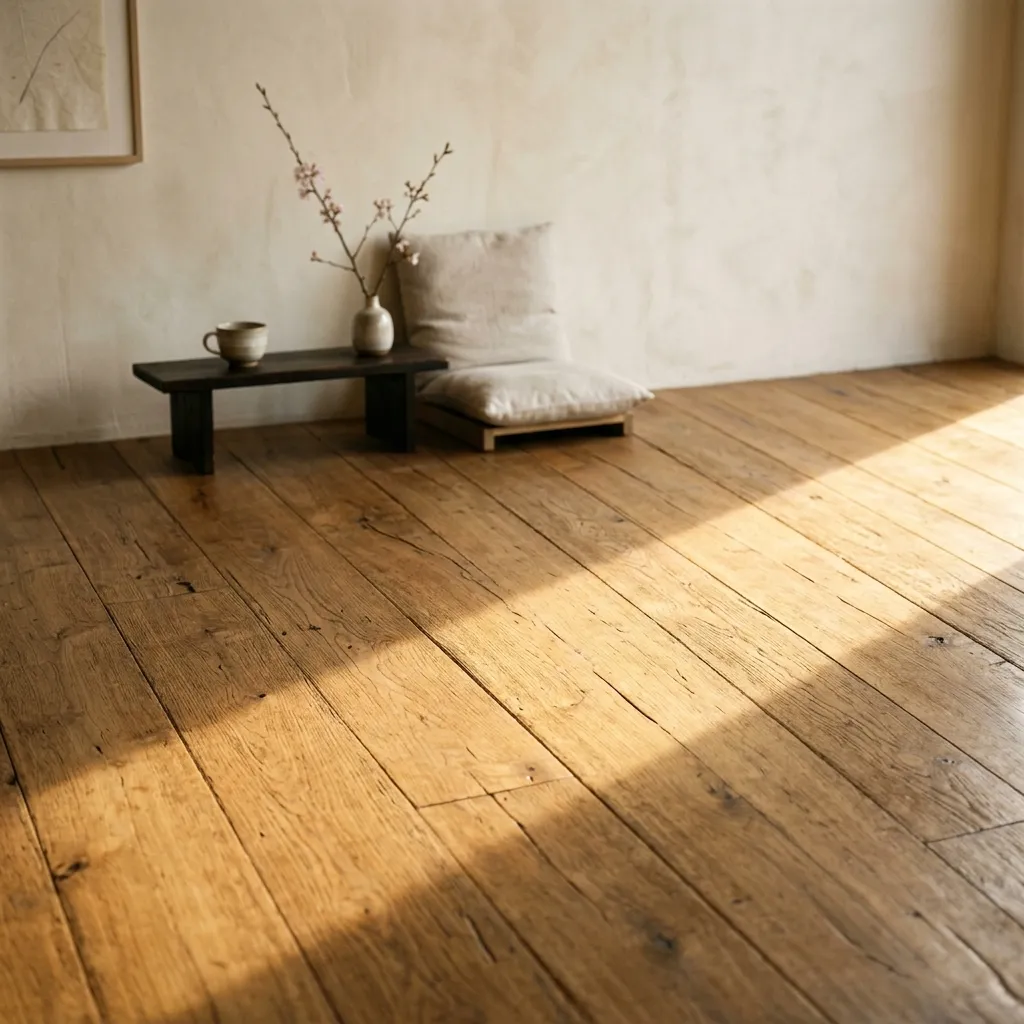
Golden Hour
As the sun begins its graceful descent, the world is gently washed in liquid amber, casting everything it touches in an ethereal glow. Leaves shimmer with subdued luminescence, shadows stretch languidly across the earth, and the air seems to hold its breath in reverent anticipation. This is the magical hour—an eloquent whisper of nature that invites us to pause, observe, and immerse ourselves in its fleeting beauty.
Imagine standing on the cusp of twilight, the warmth of the day slipping into the cool embrace of evening. The light softens, wrapping the world in a gentle embrace that transforms even the most mundane scenes into works of art. It is in this golden hour, a time of transition and harmony, that we find an opportunity to reconnect with our sense of wonder, to slow down and truly see.
This week’s journey on The Slow Frame invites us to explore this enchanting phenomenon through the lens of our cameras. With the [CAMERA LOCK: ANALOG WARM FILTER] and [ZOOM LOCK: 1.0] firmly in place, we are encouraged to engage with the golden hour’s natural brilliance, free from the distractions of digital enhancements. This is a call to embrace simplicity, to capture the world bathed in its own authentic glow.
Without the intrusion of artificial light, we are left to appreciate the subtleties—the way the warm filter amplifies the sun’s kiss on our surroundings, the way the fixed zoom draws us into the quiet details we might otherwise overlook. This week, let us savor the light’s ephemeral magic, allowing it to guide our reflections and enrich our appreciation of the subtle, yet profound, beauty that lies in the everyday.
The Neuroscience of the Golden Hour
As we delve into the essence of the golden hour, we uncover not only a visual marvel but a profound psychological experience that intertwines mindfulness, attention, and perception. The golden hour, with its warm embrace and gentle hues, becomes a canvas not just for the eye but for the mind as well.
Research into mindfulness and visual attention, particularly among diverse populations, sheds light on this intricate relationship. Awed and Alotaibi (2025) demonstrated that mental alertness enhances both visual attention and image-based perception. This suggests that our state of consciousness plays a pivotal role in how we interact with the world visually. During the golden hour, when we are naturally drawn to the captivating interplay of light and shadow, our heightened state of awareness allows us to perceive more than just the visual stimuli. The light becomes a trigger for an enriched cognitive process, where attentional regulation sharpens our perception, enabling us to notice subtleties that might otherwise elude us.
This aligns with the phenomenon of Inattentional Blindness, as explored by Mack and Rock (1998). Their research underscores that without focused attention, even the most striking visual elements can go unnoticed. The golden hour, therefore, becomes a practice in mindfulness itself—a deliberate engagement with our surroundings that transcends mere observation and enters the realm of deep, conscious seeing.
For photographers, this translates into an opportunity to capture not just an image, but an experience. Imagine standing at the edge of a field, the sun dipping low, casting elongated shadows across the landscape. Here, the act of focusing the camera becomes an exercise in mindfulness, a moment where the boundaries between observer and observed blur. The photographer, by engaging deeply with the scene, taps into a state of mental alertness that enhances their visual perception and attention to detail.
Moreover, the interplay between mindfulness and mood provides another layer to this experience. While Kuehner et al. (2009) found that rumination can aggravate negative cognitions, they also highlighted the stabilizing effect of mindfulness on mood. Engaging in mindful photography during the golden hour can serve as a powerful antidote to stress, allowing the photographer to step out of the cycle of rumination and into a space of calm observation and acceptance.
Thus, the golden hour becomes more than just a time of day; it is a bridge to deeper cognitive and emotional states. By consciously engaging with this magical light, we not only capture beautiful images but also cultivate a richer, more attentive mind. In this way, photography during the golden hour becomes a holistic practice, nurturing both the art and the artist.
The Practice of Capturing Magical Light
With the understanding of how mindfulness enhances our visual perception, we turn our focus to this week’s assignment: “The Magical Light.” This exercise invites you to embrace the golden hour with its analog warmth, capturing its fleeting beauty with intention and presence. As you engage with this task, consider how the absence of digital distractions—no grids, no flash—frees you to fully experience the moment. It is a practice in simplicity, where less truly becomes more.
The essence of this journey is not just in taking a photograph but in allowing yourself the space to reflect and savor the experience. The 24-hour wait before reviewing your image is a nod to delayed gratification, a principle deeply rooted in cultivating patience and appreciation. This pause is a powerful tool for enhancing your mindfulness practice, as it encourages you to reflect on the process rather than the immediate outcome.
In her enlightening work, “The Nature Fix”, Florence Williams delves into the profound effects that nature has on our brain and creativity. She articulates how immersing ourselves in natural environments, like those we capture during the golden hour, can elevate our mood and enhance our cognitive capabilities. Drawing from her insights, we can see how the act of photographing the magical light becomes a restorative practice, one that harmonizes our inner state with the outer world.
Philosophy and Conclusion
Philosophically, the golden hour symbolizes a liminal space—a threshold between day and night, activity and rest. It invites introspection and offers a moment of tranquility amidst life’s demands. By participating in this week’s assignment, you’re not just crafting an image but engaging in a dialogue with nature, allowing it to inform your perspective and enrich your mindfulness practice.
As you conclude this week’s photographic exploration, consider how this practice extends beyond the camera. It is an invitation to weave moments of mindfulness into the fabric of your daily life. Each image you capture becomes a testament to your journey, a visual reminder of the beauty found in simplicity and presence.
We invite you to continue this journey with The Slow Frame app, where each week is a new opportunity to explore, reflect, and grow. Through disciplined practice, you cultivate a mindful approach to both photography and life, discovering the magic that lies in waiting.
Related Articles

Breathing Room
Explore the beauty of simplicity in photography with 'Breathing Room' – a journey to embrace the essence of 'nothing' and find stillness.
Silhouette: A Dance of Shadows and Light
Explore the beauty of silhouettes and learn to appreciate the art of seeing in our latest photographic journey.