The Slow Frame
Artificial Light
Artificial Light
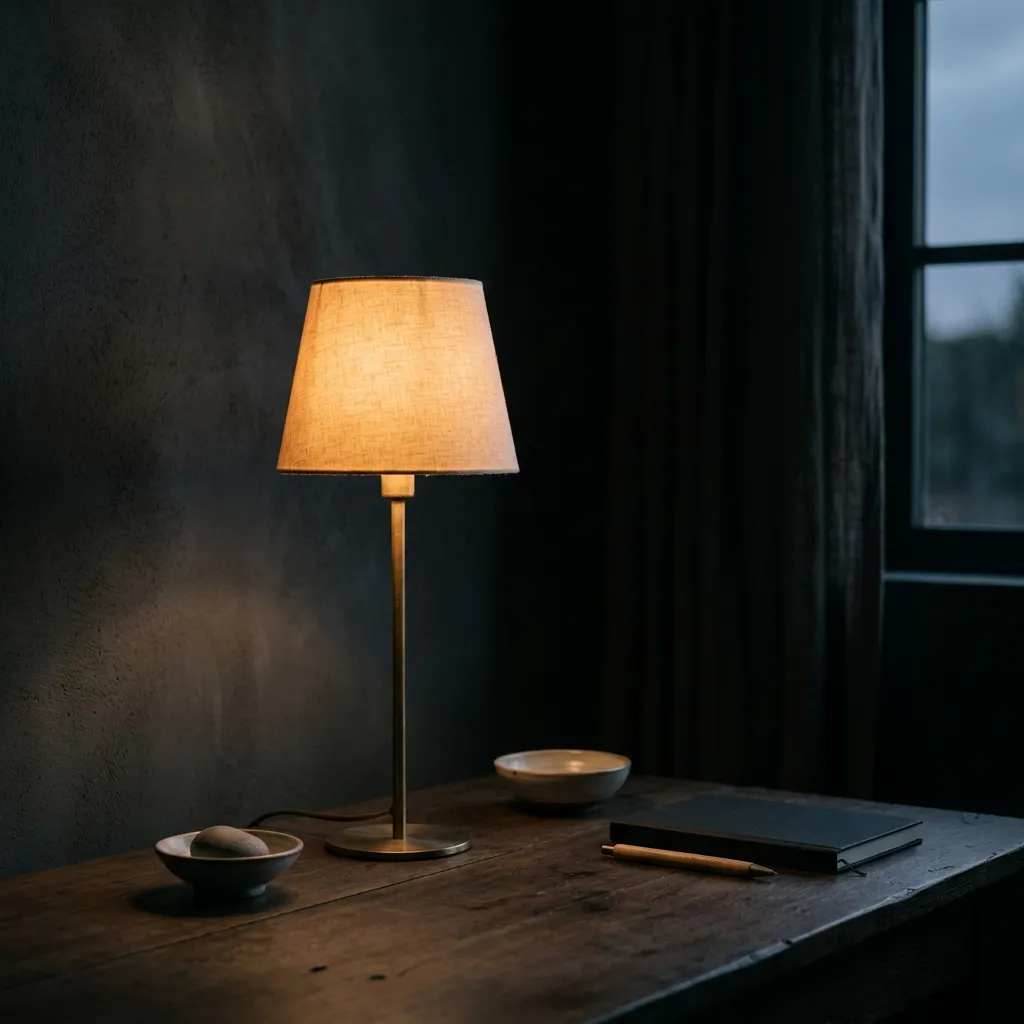
In the velvet embrace of night, the city transforms into a constellation of man-made stars. The hum of the streets softens, replaced by the gentle flicker of neon signs and the whisper of street lamps casting their warm, golden glow. It is a time when shadows dance, and the mundane is recast in an otherworldly light, inviting us to see familiar scenes with new eyes. As the sun bows out, artificial light takes center stage, revealing the city’s secret life and inviting contemplation.
This week, we invite you to embark on a mindful exploration of the nocturnal urban landscape through the Slow Frame project. With your camera constrained and your senses heightened, you’ll navigate the interplay of light and darkness, capturing the essence of the city at night. The yellow filter will highlight these artificial illuminations, turning the harshness of electric light into a tender warmth that soothes and intrigues.
Your camera will be your steady companion, not a tool of haste but an instrument of patience. With the exposure locked to dark and the flash set to torch, you’ll coax stories from the shadows, bringing hidden details to life. The lens direction is locked to the back, forcing you to engage with your surroundings, and the zoom is fixed at 1.0, ensuring you remain present, immersed in the moment without the temptation of digital manipulation.
In this week’s assignment, let the city guide you. Whether you find yourself in a bustling square or a quiet alley, allow the artificial light to lead your eye and your thoughts. As you capture these moments, remind yourself that each click of the shutter is a meditation, a pause in the symphony of life, allowing you to truly see the world anew.
The Science Behind Artificial Light
As you wander through the city bathed in the glow of artificial light, you’re not merely capturing images; you’re engaging in a complex interplay of light and perception that is deeply rooted in neuroscience and psychology. The illumination that guides your lens also influences your brain, affecting your mood, attention, and even sleep patterns in ways that are both subtle and profound.
Artificial light, particularly at night, becomes a double-edged sword. While it reveals the city’s hidden textures and colors, it also interacts with our biological rhythms. Research has shown that light exposure, especially blue-enriched light, can significantly affect individuals differently. For instance, Chellappa et al. (2017) found that men exhibit heightened brightness perception and improved attention during blue-enriched light exposure, coupled with increased slow-wave activity during sleep. This suggests that artificial light can enhance cognitive functions and alter sleep patterns, impacting how we process and store visual information.
This interaction between light and perception is akin to the practice of mindfulness. Mindfulness, as Thompson (2017) describes, is a skillful, embodied cognition that relies on our interaction with the environment. When photographing under artificial light, you are practicing a form of mindfulness—observing the subtle shifts in light and shadow, engaging with the environment in a way that is both perceptual and reflective. This practice aligns with findings from Ahn (2024), where mindfulness-based cognitive therapy increased participants’ ability to observe and describe their experiences, a skill that mirrors the photographer’s journey of translating visual stimuli into emotional and cognitive understanding.
Consider the photographer who stands at the edge of a dimly lit street, the yellow glow from a nearby lamp casting long shadows. This scene becomes a meditation on light and dark, an exercise in patience and presence. The constraints of the Slow Frame project—such as the fixed zoom and dark exposure—require a heightened state of awareness, much like mindfulness practices that encourage observing without reacting. Through this lens, each photograph is not only an image but a narrative of one’s engagement with the environment, shaped by the neurological and psychological effects of light.
In this way, the interplay of artificial light and visual perception becomes a dance between the external world and internal consciousness. As you capture the city at night, you are not just documenting scenes but participating in a rich sensory and cognitive experience. The warm hues of street lamps and the stark contrasts of neon signs invite you to explore the depths of human perception, where light is both a tool and a muse, crafting a visual symphony that speaks to the mind and spirit alike.
The Practice of Slow Framing
As we delve deeper into the practice of capturing the city at night, we see how the science of light and mindfulness converges in the art of photography. The act of taking a single photograph each week, then waiting 24 hours for it to ‘develop’, is an exercise in delayed gratification that mirrors the principles of mindfulness. It is a reminder that true artistry and understanding come not from haste but from patience and reflection.
In this week’s assignment, as you navigate the urban landscape under the cloak of darkness, the UBeesize Universal Smartphone Tripod becomes an invaluable ally. With its stable, flexible design and wireless remote, it encourages you to embrace the slow framing process. The tripod allows for precise alignment and long exposures, capturing the intricate play of artificial light without the disturbance of a shaky hand. It invites you to linger in the moment, observing the city’s rhythm as it unfolds through your lens.
This practice is not merely about creating a visual record; it’s a philosophical journey into the heart of mindfulness. As you stand still, camera poised, you become acutely aware of your surroundings—the hum of distant traffic, the cool embrace of night air, the gentle flicker of a street lamp. Each photograph becomes a meditation, a dialogue between you and the world, where the light of the city reflects the light within.
Conclusion
The Slow Frame project transforms photography into a contemplative practice, where each image serves as a testament to the power of presence and the beauty of stillness. By engaging with the city at night, you embark on a journey that transcends the visual, delving into the realms of emotion and cognition. The waiting period before viewing your photograph is a pause that allows for introspection, a time to appreciate the nuances that might have been overlooked in the immediacy of capturing the shot.
As you continue on this 52-week journey, let each assignment be an invitation to explore not only the world around you but also the depths of your own awareness. Sign up for ‘The Slow Frame’ app and embark on a photographic odyssey that celebrates the art of being present, inviting you to see the world—and yourself—through a new lens.